
Stress, Anxiety & Physical Health
Stress and anxiety are common experiences, and something that often comes up in conversations with patients at Coburg Chinese Medicine. Sometimes they're related to work, relationships, financial pressures or the demands of everyday life. At other times, they may be associated with an injury, ongoing pain, illness or uncertainty about someone's health.
People come to the clinic for a variety of reasons, and their health concerns don't always fit neatly into one category. Some attend with a particular physical complaint, while others have more complex health histories or several concerns occurring at the same time. Stress, anxiety, changes in mood and disrupted sleep may be part of that picture, whether or not they're directly related to the reason for attending.
I think it's important to recognise these connections without assuming that one problem necessarily causes another. Taking the time to understand what's happening in someone's life, alongside their physical health, is an important part of how I approach consultations at Coburg Chinese Medicine.
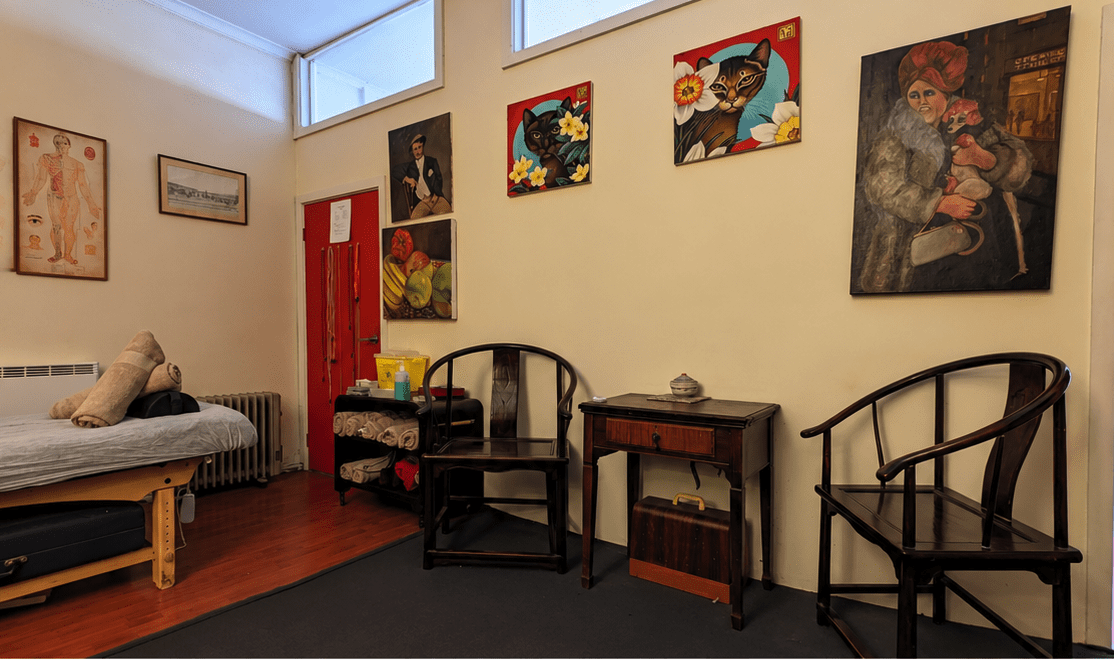
[Insert clinic consultation room photograph here]
How Stress Can Affect the Body
Stress is a normal response to challenging or demanding situations. When we're under pressure, our nervous system produces changes that help prepare us to respond. These can include changes in breathing, heart rate, alertness and muscle tension.
While this response can be useful in the short term, ongoing stress can become difficult to manage, particularly when we're not getting enough rest or have several pressures to deal with at once.
The signs vary from person to person. Some people experience predominantly emotional symptoms, while others notice physical changes such as:
Tightness through the neck, shoulders, jaw or back.
Headaches and general muscular discomfort.
Difficulty sleeping or waking during the night.
Tiredness, lethargy or changes in energy levels.
Digestive discomfort or changes in appetite.
Difficulty concentrating, irritability or persistent worry.
Changes in mood or withdrawing from usual activities.
These experiences aren't always caused by stress. They can have a variety of explanations, and persistent or unexplained symptoms should be assessed appropriately.
Stress, Muscle Tension and Physical Discomfort
One of the ways stress can affect us physically is through how we hold our bodies.
You might recognise this in yourself. When you're concentrating intensely, rushing to meet a deadline or dealing with something difficult, you may find that your shoulders have crept upwards, your jaw is clenched or you're bracing the muscles around your neck and back.
Often these changes happen without us being particularly conscious of them. For someone spending long periods at a desk or dealing with ongoing demands, increased muscle tension may be one factor contributing to discomfort.
Stress can also affect sleep, while disrupted sleep can make dealing with pain or other physical symptoms more difficult.
Of course, muscular discomfort can have many causes, including physical activity, injury, repetitive movements and underlying medical conditions. It's important not to assume that stress is responsible simply because someone happens to be experiencing it.
You can read more about related physical concerns on our Neck & Shoulder Pain and Managing Pain & Injury pages.
When Illness or Pain Affects Emotional Wellbeing
The relationship between physical and emotional health can work in both directions.
Living with ongoing pain, an injury or a chronic health condition can affect much more than physical comfort. It may interfere with work, exercise, relationships, social activities and the things that help us enjoy everyday life.
Sometimes it's the uncertainty that becomes particularly difficult. Not knowing what's causing symptoms, how long they might continue or whether they'll affect your ability to work can create considerable stress.
People living with persistent pain may also experience anxiety, depression or changes in their sleeping patterns. These concerns can coexist with physical illness without necessarily having a single cause.
Equally, anxiety and depression can occur independently of any physical health problem. It's important to recognise them as health concerns in their own right, rather than assuming they're simply reactions to pain or illness.
Understanding these relationships helps provide a more complete picture of a person's circumstances.
Chinese Medicine and the Whole-Person Approach
Traditional Chinese medicine has historically considered emotional wellbeing and physical health as interconnected.
Rather than looking at an individual symptom in isolation, a Chinese medicine consultation may involve asking about sleep, digestion, energy levels, lifestyle, physical discomfort and other aspects of general health.
This broader approach is something I value in my own clinical practice. Depending on why someone has come in, I'll ask about their medical history, any relevant investigations, treatments they're receiving and how their health concerns are affecting their everyday life.
Traditional Chinese medicine provides a historical framework for understanding health. Its traditional concepts, however, shouldn't be confused with scientific evidence about the effectiveness of particular treatments.
What to Expect at Coburg Chinese Medicine
As a single-practitioner clinic, I have the opportunity to get to know patients and understand their health concerns over time.
During an initial consultation, we'll discuss the reasons for your visit, relevant medical history and any investigations or treatment you've already had. Where appropriate, we'll also talk about sleep, stress, activity levels and other aspects of your general health.
Some people are comfortable talking about their emotional wellbeing, while others prefer to keep these discussions limited. That's entirely reasonable. The aim is to understand what's relevant to your care while respecting your preferences.
During a consultation, I may also become aware that someone is experiencing difficulties with their mental health, even when they've come to see me for an unrelated concern. When appropriate, I'll have a conversation with them about how they're managing and whether they're already receiving support.
If they aren't currently seeing a GP or mental health professional, we can discuss whether further assessment or support might be helpful and how they might go about accessing it. These conversations are approached respectfully, recognising that people have different circumstances, needs and preferences.
Knowing when another healthcare professional should be involved is an important part of how I approach patient care.
If you're already receiving treatment for anxiety, depression or another mental health condition, it's important to continue that care and discuss any proposed changes with your treating clinician.
Coburg Chinese Medicine provides acupuncture and Chinese medicine consultations for people from Coburg, Coburg North, Brunswick, Pascoe Vale, Pascoe Vale South, Preston, Thornbury, Fawkner and surrounding areas of Melbourne's northern suburbs.
If you'd like to ask a question about what an acupuncture consultation involves, you can contact the clinic on 03 9041 656.
Frequently Asked Questions
Can stress contribute to neck and shoulder pain?
Stress can be associated with increased muscle tension, particularly around the neck, shoulders and jaw. However, muscular discomfort can have many different causes, so ongoing or unexplained pain may require further assessment.
Is there a relationship between chronic pain, anxiety and depression?
Yes. Persistent pain can affect sleep, everyday activities and emotional wellbeing. Research recognises associations between chronic pain, anxiety and depression, although the relationship differs between individuals and doesn't necessarily mean one condition caused the other.
Can I discuss stress or anxiety during an acupuncture consultation?
Yes. Stress, anxiety, sleep and emotional wellbeing may be relevant aspects of your general health, whether or not they're directly related to the reason you're attending. You're welcome to raise these concerns, and you don't need to share personal details you're uncomfortable discussing.
Is acupuncture an established treatment for anxiety or depression?
Although acupuncture has been investigated in relation to anxiety and depression, the available evidence does not provide a sufficiently reliable basis for advertising it as an established treatment for these conditions.
If anxiety or depression is affecting your health, appropriate medical and psychological care remains important.
Can I attend an acupuncture consultation while receiving other healthcare?
Yes. People receiving medical or psychological healthcare can discuss an acupuncture consultation for another health concern. Relevant medical conditions, medications and existing treatments should be considered when assessing whether acupuncture is appropriate.
Further Reading and References
For more information about stress, anxiety, chronic pain and physical health:
Healthdirect Australia — Stress. Information about stress, its physical effects and associated symptoms.
Healthdirect Australia — Chronic Pain. Information about persistent pain and its relationship with sleep, mood and daily activities.
Healthdirect Australia — Anxiety. Information about anxiety and available healthcare support.
Ahpra — Chinese Medicine Advertising Examples. Guidance on the distinction between treating health conditions and managing associated symptoms.
For mental health support, Beyond Blue can be contacted on 1300 22 4636, and Lifeline on 13 11 14. In an emergency, call 000.
Call us on ☎ (03) 9041 6569 to arrange an appointment or book online below
References
1. NHS Choices, 2011. Stress Management [online]. Available: http://www.nhs.uk/livewell/stressmanagement/Pages/Stressmanagementhome.aspx
2. Goyata SL, Avelino CC, Santos SV, Souza Junior DI, Gurgel MD, Terra FS. Effects from acupuncture in treating anxiety: integrative review. Rev Bras Enferm. 2016 Jun;69(3):602-9.
3. Arvidsdotter, T., Marklund, B., & Taft, C. (2013). Effects of an integrative treatment, therapeutic acupuncture and conventional treatment in alleviating psychological distress in primary care patients–a pragmatic randomized controlled trial. BMC Complementary and Alternative Medicine, 13(1), 308. http://doi.org/10.1186/1472-6882-13-308
4. Amorim, D., Amado, J., Brito, I., Fiuza, S. M., Clinical, N. A. T. I., 2018. (n.d.). Acupuncture and electroacupuncture for anxiety disorders: A systematic review of the clinical research. Elsevier. http://doi.org/10.1016/j.ctcp.2018.01.008
6. Au DW, Tsang HW, Ling PP, Leung CH, Ip PK, Cheung WM. Effects of acupressure on anxiety: a systematic review and meta-analysis. Acupunct Med. 2015 Oct;33(5):353-9.