
Acupuncture for Hip and Glute Pain in Melbourne
Are you considering acupuncture for hip pain in Melbourne? Hip pain, tight hip flexors and glute pain can make it difficult to walk, sit, exercise or sleep comfortably. You may have been diagnosed with hip bursitis, gluteal tendonitis or hip arthritis, or simply have a deep ache in your buttock or pain around your sitting bone.
I'm Michael Warren, a registered acupuncturist with over 15 years of clinical experience. At my Coburg clinic in Melbourne's northern suburbs, I provide personalised, one-on-one acupuncture consultations for hip and gluteal pain, from recent sporting injuries to longstanding musculoskeletal complaints.
What happens when you book?
Listen and assess. I'll discuss your hip pain, movement, previous injuries and how your symptoms affect everyday activities.
Consider an individual approach. We'll discuss acupuncture and other appropriate options, taking into account your symptoms, preferences and existing healthcare.
Agree on a practical plan. We'll discuss an initial approach, relevant advice and when to reassess your symptoms.
Other approaches, including cupping, can also be discussed when appropriate.
Want more information first? Explore the sections below to learn more about specific hip conditions, glute pain, acupuncture and other treatment considerations.
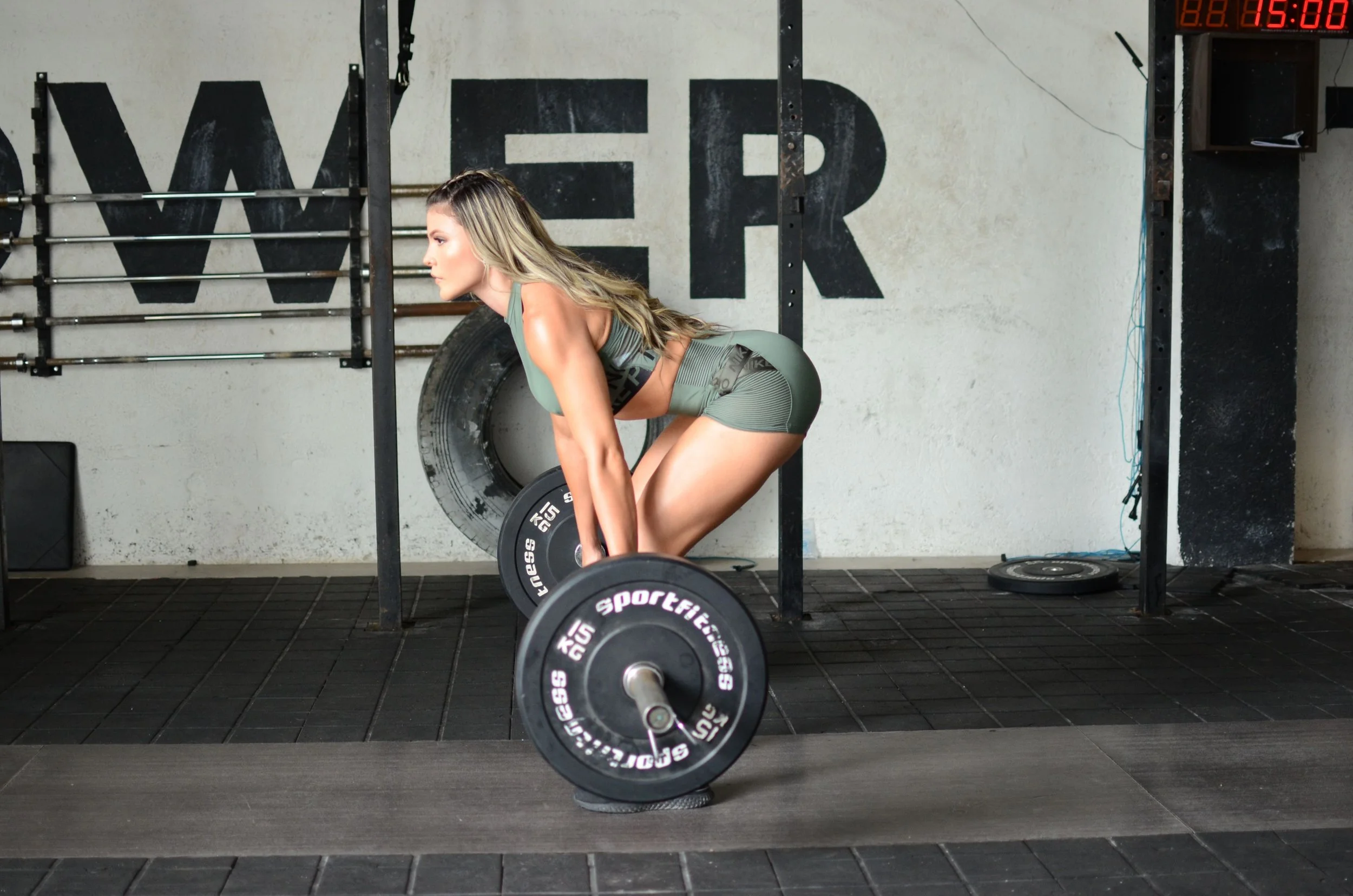
Understanding hip pain — where does it hurt?
Hip pain doesn't necessarily originate within the hip joint itself. The surrounding muscles, tendons, lower back and pelvis can also contribute to symptoms.
Different pain locations may provide useful clues:
Front of the hip and groin: hip flexor pain, muscle strains or hip joint complaints.
Outside of the hip: hip bursitis, gluteal tendonitis and lateral hip pain.
Back of the hip and buttocks: tight glutes, deep muscular pain or symptoms referred from the lower back.
Bottom of the buttock: pain involving the hamstring attachment or surrounding sitting bone structures.
These symptoms can overlap, making an individual assessment important.
Hip flexor pain, tightness and strains
Your hip flexors help lift your thigh towards your body during walking, running, cycling and climbing stairs.
Some people describe constantly tight hip flexors, particularly after prolonged sitting. Others experience a pinching sensation at the front of the hip, groin pain or discomfort during exercise.
A pulled or strained hip flexor may occur during running, kicking or sudden changes of direction. Persistent tendon pain may be described as hip flexor tendonitis or tendinopathy.
A feeling of tightness doesn't necessarily mean that a muscle needs stretching. During your acupuncture consultation, I'll also consider movement, strength, activity levels and other possible contributors.
Hip bursitis, gluteal tendonitis and outer hip pain
Does the outside of your hip hurt when you sleep on your side, climb stairs or walk uphill?
These symptoms are commonly associated with hip bursitis, also called trochanteric bursitis. However, lateral hip pain frequently involves the gluteal tendons, particularly those of the gluteus medius and gluteus minimus muscles, which help stabilise the pelvis.
You may hear this described as gluteal tendonitis, gluteal tendinopathy or greater trochanteric pain syndrome (GTPS).
Tendonitis is a familiar term, while tendinopathy is often used to describe persistent tendon pain and changes in tendon function.
What can aggravate hip bursitis and gluteal tendon pain?
Sleeping on the affected side.
Crossing your legs or standing with your weight resting on one hip.
Climbing stairs, walking uphill or increasing running distances.
Certain exercises and stretches that compress sensitive tendons.
Although stretching tight glutes may seem helpful, some stretches can aggravate gluteal tendinopathy. Appropriate strengthening, tendon loading and activity adjustments are important considerations.
Glute pain, buttock pain and sitting bone pain
Some people experience tight or aching glute muscles, while others describe deep buttock pain or discomfort right at the bottom of their bum.
Deep buttock pain and piriformis syndrome
The piriformis is one of several muscles located deep within the buttock. Irritation of the sciatic nerve in this region can contribute to deep gluteal pain, discomfort when sitting or pain travelling into the back of the thigh.
Piriformis syndrome is one possible cause of deep gluteal syndrome. However, not all buttock pain is piriformis syndrome or sciatica.
Read more about these overlapping symptoms on my Sciatica and Back Pain pages.
Sitting bone pain and upper hamstring tendonitis
Do you experience pain around the crease at the bottom of your bum, particularly when sitting, running or bending forward?
This may involve the hamstring tendons where they attach to the pelvis at the ischial tuberosity, commonly called the sitting bone.
Persistent pain in this area may be described as upper hamstring tendonitis, high hamstring tendinopathy or proximal hamstring tendinopathy.
Prolonged sitting, uphill running, deep lunges and certain hip hinge movements can aggravate symptoms. Other possible causes include ischial bursitis.
Hip and glute pain during exercise and everyday movement
I frequently see people who describe tight glutes, painful hip flexors or difficulty with movements involving the hips.
Activities that may bring on symptoms include:
Running and cycling.
Squats, lunges and deadlifts.
Hip hinge movements, including bending forward.
Walking uphill and climbing stairs.
Prolonged sitting and getting up from a chair.
Sometimes symptoms follow an increase in training or exercise. Others experience recurring muscular tightness and discomfort over many months or years.
I'll consider how your symptoms affect your movement, your exercise programme and the activities you want to continue doing.
Read more about my approach to Sports Acupuncture and Sports Injuries.
Hip arthritis, clicking hips and other joint conditions
Hip osteoarthritis and joint degeneration
Hip osteoarthritis involves changes within the joint that may contribute to pain, stiffness and restricted movement. Walking longer distances, putting on shoes or getting out of a car may become difficult.
Age and previous injuries are among the factors associated with osteoarthritis, although changes seen on imaging do not always correspond to the severity of symptoms.
If you've been diagnosed with hip arthritis, we can discuss your symptoms, existing healthcare and whether acupuncture is an appropriate option.
Hip impingement, snapping hips and clicking
Femoroacetabular impingement (FAI) and labral injuries may be associated with deep groin pain, catching or discomfort during movement.
Snapping hip syndrome can occur when tendons move over surrounding structures. Not every clicking hip requires treatment, but painful clicking, locking or restricted movement warrants assessment.
Acupuncture and dry needling — my approach to hip pain
I combine traditional Chinese medicine principles with modern anatomical understanding when considering acupuncture for hip and glute pain.
During your consultation, I'll consider your medical history, pain patterns, movement, muscular tenderness, previous injuries and any relevant investigations.
Depending on your symptoms and preferences, treatment may incorporate acupuncture, electroacupuncture, dry needling or cupping therapy.
If you're nervous about needles or treatment around sensitive areas of the body, we'll discuss your comfort, consent, positioning and appropriate draping beforehand.
I welcome people already working with physiotherapists, exercise physiologists and other healthcare practitioners.
You can also explore my broader approach to Acupuncture for Pain Management.
Frequently asked questions
Why are my hip flexors always tight?
Prolonged sitting, repetitive activities, muscle fatigue and changes in exercise loads may contribute to sensations of tightness. Stretching is not necessarily the only approach to consider.
Why does my hip hurt when I sleep on my side?
Pressure on sensitive gluteal tendons and surrounding tissues can aggravate lateral hip pain. This is a common feature of hip bursitis and gluteal tendinopathy.
Is stretching good for hip bursitis and tendonitis?
Some stretches increase compression on sensitive tendons. Appropriate exercises depend on the condition and your individual circumstances.
Why does the bottom of my bum hurt when I sit?
Sitting bone pain may involve proximal hamstring tendinopathy, ischial bursitis or other structures around the pelvis.
Is buttock pain the same as sciatica?
No. Buttock pain can originate from muscles, tendons, joints or nerve-related problems, including referred pain from the lower back.
Can I have acupuncture alongside physiotherapy?
Yes. We can discuss how acupuncture might fit alongside your existing rehabilitation programme.
How many acupuncture appointments will I need?
There is no fixed number appropriate for everyone. We'll discuss an initial treatment approach and when to review your symptoms and progress.
When should hip pain be medically assessed?
Persistent or worsening pain, painful locking or significant restrictions in movement should be medically assessed.
Severe hip pain with fever, inability to bear weight or significant trauma requires urgent medical attention. New loss of bladder or bowel control, saddle numbness or rapidly progressing leg weakness requires emergency assessment.
Areas We Serve
Based in Coburg, I welcome patients from across Melbourne, including Melbourne's northern suburbs. People visit from Brunswick, Pascoe Vale, Preston, Fawkner, Thornbury, Reservoir, Glenroy and Broadmeadows, as well as further north from Lalor and Epping. You're welcome wherever you're travelling from.
Explore local area pages: Coburg · Brunswick · Pascoe Vale · Preston · Thornbury · Fawkner · Other Northern Suburbs.
My clinic is located at 197 Sydney Road, Coburg. You can explore my Fees and Opening Hours before booking.
Questions before booking? You're welcome to call me on ☎ (03) 9041 6569.
Research and further reading
Research examining acupuncture and dry needling for hip pain varies according to the condition, treatment technique and study design.
A 2018 Cochrane review of acupuncture for hip osteoarthritis found mixed results. Comparisons with sham acupuncture found little or no additional benefit, while one study reported greater improvements in pain and physical function when acupuncture was added to routine medical care. Confidence in the latter finding was limited, and comparisons with other conservative treatment approaches remained uncertain.
A broader 2023 systematic review of acupuncture for hip pain and a 2024 systematic review of dry needling reported some favourable findings, although stronger research is needed to establish their roles for specific hip conditions.
Research also supports education and appropriately structured exercise in the management of gluteal tendinopathy.
Further reading:
Acupuncture for hip osteoarthritis — Cochrane systematic review (2018)
Acupuncture treatment for hip pain — systematic review and meta-analysis (2023)
Education and exercise for gluteal tendinopathy — BMJ randomised controlled trial (2018)
Current and future advances in practice: tendinopathies of the hip (2024)
Proximal hamstring tendinopathy — systematic review of interventions (2021)
Research references are included to help readers understand the evidence, including its limitations. They are not a promise of individual treatment outcomes.
Last updated: 28 November 2026