

Acupuncture For Chronic Pain
Living with chronic or persistent pain can affect sleep, work, movement and everyday life. At Coburg Chinese Medicine, Michael Warren offers individual acupuncture consultations informed by over 15 years of clinical experience. Learn about persistent pain, what to expect during an appointment and how acupuncture may fit alongside your wider healthcare.

Living with chronic pain can be exhausting. When pain continues for months or years, it can affect much more than the part of your body that hurts. Sleep, work, physical activity and everyday routines can become more difficult, sometimes in ways that other people don't readily understand.
Some people know where their pain began or have a clear diagnosis. Others have had investigations, tried different treatments and spoken with several healthcare practitioners without finding a straightforward explanation for their symptoms. That uncertainty can be frustrating, particularly when pain continues to interfere with the things you want or need to do.
I'm Michael Warren, a registered acupuncturist with over 15 years of clinical experience. At Coburg Chinese Medicine, I offer individual consultations for people considering acupuncture for chronic or persistent pain.
My clinic is at 197 Sydney Road, Coburg, welcoming people from Brunswick, Pascoe Vale, Preston, Fawkner, Reservoir and surrounding northern Melbourne suburbs, as well as elsewhere in Melbourne.
My approach is to understand your circumstances, what you've already tried and what's important to you, then discuss how acupuncture may fit into your healthcare.
Book an Acupuncture Consultation
Understanding chronic and persistent pain
Chronic pain generally refers to pain that continues or recurs for more than three months. It's sometimes called persistent pain and may continue beyond the expected healing time of an injury.
Some people experience ongoing back or neck discomfort, recurring headaches or joint pain. Others have pain affecting several areas of the body, symptoms that fluctuate, or pain associated with a diagnosed medical condition.
Pain doesn't always correspond neatly with findings on scans or other investigations. Sometimes changes in how the nervous system processes pain contribute to ongoing symptoms; in other cases, inflammation, tissue problems or several factors may be involved.
Sleep, stress, physical activity and general health can also influence someone's experience of pain. That doesn't mean pain is imaginary or simply caused by stress. Persistent pain is often more complex than a single injured muscle or joint.
My approach to chronic pain at Coburg Chinese Medicine
When you come to see me, I want to understand how pain is affecting your life, not just where it hurts.
We'll discuss how long you've had symptoms, any relevant diagnoses or investigations, treatments you've already tried and healthcare you're currently receiving. I'll also ask about your work, sleep, physical activity and what you're hoping to achieve.
For one person, the priority might be getting through a workday more comfortably. For another, it could be maintaining exercise, managing household activities or finding an approach that fits alongside a complex medical condition.
Where appropriate, an examination may help inform our discussion or identify whether further medical assessment would be useful. I'll explain the acupuncture approach I'm considering, what to expect and any relevant precautions.
I'll also explain the risks associated with treatment. Acupuncture can cause temporary soreness, bruising or minor bleeding, and although uncommon, more serious complications are possible.
I believe it's important to work with your wider healthcare rather than treat acupuncture as an isolated solution. If you're seeing a GP, physiotherapist, pain specialist or another practitioner, I'll take that into account and, with your consent, communicate with them where useful.
As the sole practitioner at Coburg Chinese Medicine, you'll see me throughout your care. There are no compulsory treatment packages, and we'll review whether further appointments are appropriate as we go.
Book Your Acupuncture Appointment
Different experiences of chronic and persistent pain
Chronic pain isn't limited to injuries involving muscles or joints. It can be associated with a wide range of health conditions, and people's experiences can be very different.
Some people live with longstanding back or neck pain, osteoarthritis, shoulder discomfort, or recurring headaches and migraine. Others experience widespread pain associated with fibromyalgia, or persistent joint and musculoskeletal pain associated with Ehlers-Danlos syndromes (EDS) and hypermobility spectrum disorders.
These conditions have different underlying causes and healthcare needs. Symptoms such as fatigue, disturbed sleep or joint instability may also need to be considered when discussing care.
Acupuncture has been studied for several types of chronic pain, particularly non-specific musculoskeletal pain, osteoarthritis, chronic headache and shoulder pain. The findings for these conditions cannot automatically be applied to fibromyalgia, EDS or hypermobility disorders.
My approach is to understand your particular circumstances, any existing diagnosis and the healthcare you're already receiving, then discuss whether acupuncture may have an appropriate role alongside that care.
For more information about particular complaints, you can read my Back Pain, Neck and Shoulder Pain, Knee Pain and Migraine and Headache pages.
Pain, stress, sleep and physical activity
Pain and everyday life can influence one another. When pain disrupts sleep, affects concentration or makes physical activity difficult, managing daily responsibilities can become considerably harder.
Some people notice that their symptoms are worse during periods of stress. Stress can influence muscle tension and how the nervous system responds to pain, while living with ongoing pain can itself be a significant source of stress.
Recognising those relationships doesn't mean pain is psychological. It means looking at the wider circumstances that may influence someone's experience.
I'm a strong advocate for maintaining physical activity and strength where appropriate, while recognising that people's capabilities vary. For some, this may mean modifying activities, pacing themselves or gradually increasing movement. Others may need structured rehabilitation or advice from a physiotherapist, exercise physiologist or another healthcare professional.
My aim is to provide practical advice within my professional scope and help you make informed decisions about your healthcare.
Considering acupuncture when you've had pain for years
If you've lived with persistent pain for a long time, you may already have invested considerable time, energy and money in different treatments.
I don't think it's helpful to assume everyone needs the same approach, or that another course of treatment is automatically the answer.
We'll discuss your previous experiences, what you're hoping to achieve and how we might assess whether acupuncture is a reasonable option. If we proceed, we'll review your circumstances rather than assume you need a predetermined number of visits.
You can read more about my wider approach on the Managing Pain & Injury page.
Chronic pain acupuncture in Coburg and Melbourne's northern suburbs
Coburg Chinese Medicine is an independently operated clinic at 197 Sydney Road, Coburg VIC 3058.
I welcome people from Brunswick, Coburg North, Pascoe Vale, Pascoe Vale South, Preston, Thornbury, Fawkner, Glenroy, Reservoir and surrounding suburbs, as well as people travelling from elsewhere in Melbourne.
As a single-practitioner clinic, I aim to keep consultation fees accessible while providing individual appointments.
You can find current costs and appointment availability on my Fees & Opening Hours page.
Frequently asked questions
Can acupuncture help with chronic pain?
Acupuncture has been studied for several chronic pain conditions, including non-specific musculoskeletal pain, osteoarthritis, chronic headache and shoulder pain. Research suggests it may assist with pain management for some people, although the strength of evidence and likely benefits vary between conditions.
Acupuncture isn't a cure for every form of chronic pain, and individual outcomes can't be guaranteed. During your consultation, we can discuss the evidence relevant to your circumstances and how acupuncture may fit alongside your existing healthcare.
What happens at my first acupuncture appointment?
We'll discuss your symptoms, medical history, previous investigations and treatments, and how persistent pain affects your everyday life. I'll explain my assessment, any relevant precautions and the approach I'm considering before we decide whether to proceed.
Can I book if I've had pain for years?
Yes. You're welcome to arrange an appointment even if your symptoms have been present for a long time. We'll consider your medical history, previous care and current priorities.
Can I have acupuncture while seeing my GP, physiotherapist or pain specialist?
Acupuncture may be considered alongside other healthcare, depending on your circumstances. I'll ask about your existing treatment and any relevant precautions, and can communicate with your other practitioners with your consent where appropriate.
How many appointments will I need?
There's no fixed number suitable for everybody. We'll discuss your circumstances and review whether further appointments make sense, without requiring you to commit to a treatment package.
When persistent pain needs medical assessment
Chronic pain deserves appropriate medical assessment, particularly if symptoms are new, changing, worsening or haven't been adequately investigated.
New or progressive weakness, significant loss of sensation, unexplained fever or concerning neurological symptoms need medical assessment. Sudden neurological changes, or new bladder or bowel dysfunction associated with back pain, may require emergency care.
Acupuncture shouldn't delay investigation or treatment of a potentially serious condition.
Research and clinical evidence
Acupuncture has been investigated in clinical trials and systematic reviews for several chronic pain conditions.
An updated individual-patient-data meta-analysis by Vickers and colleagues, published in 2018, included 39 trials involving 20,827 participants. It examined non-specific musculoskeletal pain, osteoarthritis, chronic headache and shoulder pain, reporting better average outcomes with acupuncture than sham acupuncture or no-acupuncture controls.
The differences compared with sham acupuncture were relatively modest, and these results don't mean acupuncture works for everyone or that the evidence applies equally to all causes of persistent pain.
Clinical guidelines also differ between conditions. For example, the UK's National Institute for Health and Care Excellence recommends considering a limited course of acupuncture in certain circumstances for chronic primary pain, while its separate guidance does not recommend acupuncture for low back pain or sciatica.
For me, these differences reinforce the importance of discussing the particular condition, the available evidence and the other healthcare options appropriate to each person.
Book an acupuncture consultation for chronic pain in Melbourne
If you've been living with persistent pain and would like to discuss acupuncture as one possible part of your healthcare, you're welcome to arrange an appointment at Coburg Chinese Medicine.
I'll take the time to understand your circumstances, consider what you've already tried and explain my approach, so you can make an informed decision about your care.
Book an Acupuncture Consultation
References
Call us to arrange an appointment on 03 9041 6569 or click the button
Acupuncture for Knee Osteoarthritis & Pain in Melbourne
Knee osteoarthritis can affect walking, exercise and everyday mobility. At Coburg Chinese Medicine, Michael Warren offers individual acupuncture consultations informed by 15 years of clinical experience, practical advice and consideration of appropriate rehabilitation and wider healthcare. Welcoming patients from across Melbourne.
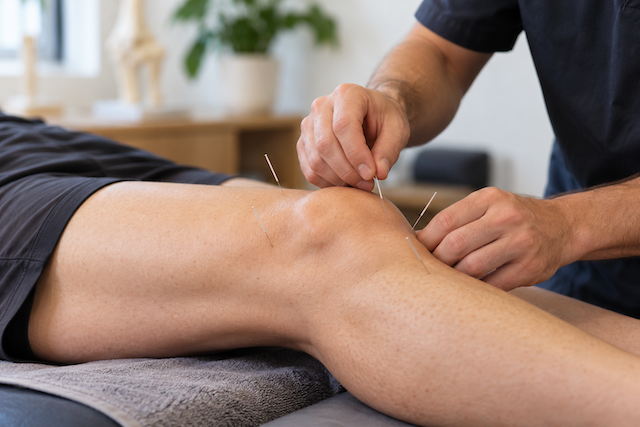
Illustrative image of acupuncture around the knee
Acupuncture For Osteoarthritis Melbourne Northern Suburbs
Knee osteoarthritis can make everyday activities more difficult. Walking, climbing stairs, getting out of a chair or spending time on your feet may become uncomfortable, while stiffness can make it harder to get moving after periods of rest.
Over 15 years in clinical practice, I've worked with many people experiencing knee pain and osteoarthritis at Coburg Chinese Medicine. Some want to remain active with walking, exercise or work, while others have reduced mobility and are concerned about maintaining their independence.
I'm Michael Warren, a registered acupuncturist running an affordable, independently operated clinic in Coburg. I welcome people from Brunswick, Pascoe Vale, Fawkner and surrounding suburbs, as well as patients travelling from elsewhere in Melbourne.
I offer individual consultations, taking the time to understand your circumstances, discuss your healthcare options and explain my approach.
If you're considering acupuncture for knee osteoarthritis or persistent knee pain in Melbourne, you can book directly online.
Book an Acupuncture Appointment
Understanding knee osteoarthritis
Knee osteoarthritis involves changes throughout the joint, including cartilage, bone and surrounding tissues. It can contribute to pain, stiffness, occasional swelling and reduced mobility.
Although osteoarthritis becomes more common with age, it isn't simply a matter of your knees wearing out. Changes seen on an X-ray don't always correspond with the amount of pain someone experiences, and movement doesn't necessarily mean you're causing further damage.
Symptoms vary between individuals. Some people experience stiffness after sitting or first thing in the morning. Others notice pain when walking longer distances, using stairs or attempting activities they previously managed comfortably.
Osteoarthritis is sometimes described as bone-on-bone knee arthritis, particularly when scans show substantial loss of joint space. However, this description doesn't tell us everything about someone's pain, mobility or options for managing the condition.
Considering acupuncture for knee osteoarthritis?
People sometimes book an acupuncture consultation when knee arthritis is interfering with their mobility, sleep, exercise or everyday activities.
During your consultation, we'll discuss your symptoms, medical history, any investigations you've had and the care you're already receiving. An examination may help inform our discussion and identify whether further medical assessment is appropriate.
Depending on your circumstances, treatment may involve traditional acupuncture or electroacupuncture, which uses a small electrical current between acupuncture needles. I'll explain the proposed approach, relevant precautions and what to expect before proceeding.
Practical advice is also an important part of my consultations.
For someone who is physically active, we might discuss adjusting their exercise programme or managing training loads. Knee sleeves or other supports may be worth considering in particular circumstances, although they aren't routinely necessary or suitable for everyone.
For someone experiencing reduced mobility, the conversation may instead involve making everyday activities more manageable, including walking aids or other equipment where appropriate. I'll encourage assessment by a physiotherapist or occupational therapist when specialist advice would be useful.
I also encourage people to discuss appropriate pain relief, anti-inflammatory medication and other medical options with their GP or pharmacist, and to seek physiotherapy or exercise physiology advice where appropriate.
As the sole practitioner, you'll see me throughout your care. There are no compulsory treatment packages, and we'll discuss an approach appropriate to your circumstances.
Book Your Acupuncture Appointment Online
Exercise, strength and maintaining mobility
Maintaining physical activity and strength is an important part of managing knee osteoarthritis.
I'm a strong advocate for exercise, while recognising that what is achievable and appropriate will differ between individuals.
For some people, gradually increasing walking, cycling, swimming or other manageable activities may be a useful starting point. Others may benefit from structured exercises to strengthen the quadriceps, hips and surrounding muscles.
Strength training doesn't necessarily mean heavy lifting or attending a gym. Exercises can be adapted to a person's current abilities, with gradual progression helping to develop strength and physical capacity.
For older people or those with reduced mobility, maintaining the ability to walk safely, get out of a chair and manage daily activities may be especially important.
A physiotherapist or exercise physiologist can help develop an appropriate exercise programme where additional support is needed.
I see acupuncture as something people may consider alongside appropriate exercise, rehabilitation and medical care, rather than as a replacement for them.
Understanding your knee pain and healthcare options
Managing osteoarthritis often involves more than one approach. Depending on your circumstances, you may already have discussed medication, physiotherapy, injections or specialist assessment with your GP.
My role is to provide an individual acupuncture consultation, share practical advice within my scope and help you make informed decisions about the care available to you.
Not all knee pain is caused by osteoarthritis. If you'd like more information about other knee conditions, you can read my Acupuncture for Knee Pain in Melbourne article.
Acupuncture for knee osteoarthritis in Melbourne
Coburg Chinese Medicine is located at 197 Sydney Road, Coburg VIC 3058, and welcomes people from across Melbourne, particularly Brunswick, Coburg North, Pascoe Vale, Preston, Thornbury, Fawkner and surrounding northern suburbs.
You can check consultation costs and opening hours on the Fees & Opening Hours page, or read more about my broader clinical approach on Managing Pain & Injury.
Frequently asked questions
Do I need an X-ray before booking an appointment?
Not necessarily. Knee osteoarthritis can often be diagnosed clinically without routine imaging. Your GP can advise whether an X-ray or another investigation is appropriate.
Is exercise safe if I have knee osteoarthritis?
Appropriate exercise is recommended for most people with knee osteoarthritis and can be adapted to individual abilities. Some discomfort doesn't necessarily mean you're damaging the joint, although new or concerning symptoms should be assessed.
Can I consider acupuncture alongside physiotherapy?
Acupuncture can be discussed alongside physiotherapy and other healthcare, depending on your circumstances. Exercise and strengthening remain important parts of managing knee osteoarthritis.
How many acupuncture appointments will I need?
There's no fixed number of appointments appropriate for everyone. We'll discuss your circumstances and review the approach as needed, without requiring you to commit to a treatment package.
When should knee symptoms be medically assessed?
Not every painful or swollen knee is caused by osteoarthritis. Sudden severe pain, significant swelling, a hot or red joint, fever or an inability to bear weight may require urgent medical assessment.
If your symptoms are changing, becoming more difficult to manage or affecting your ability to function, it's worth discussing them with your GP or another appropriate healthcare professional.
Research and clinical evidence
Research into acupuncture for knee osteoarthritis has reported improvements in pain and function in some studies. However, the size and clinical significance of these effects, particularly when compared with sham acupuncture, remain uncertain.
Clinical guidelines differ. The American College of Rheumatology/Arthritis Foundation conditionally recommends acupuncture for osteoarthritis, acknowledging limitations in the evidence. NICE recommends against offering acupuncture for osteoarthritis.
Exercise, strengthening, education and appropriate medical care remain important parts of managing knee osteoarthritis.
Book an acupuncture appointment for knee pain and osteoarthritis in Melbourne
If knee osteoarthritis is affecting your mobility, exercise or daily activities and you're considering acupuncture, you're welcome to arrange a consultation at Coburg Chinese Medicine.
I'll take the time to understand your circumstances, explain the proposed treatment and discuss practical considerations relevant to your care.
Book an Acupuncture Appointment
References
Call us to arrange an appointment on 03 9041 6569 or click the button below
About Coburg Chinese Medicine
I'm Michael, a registered Chinese medicine practitioner at Coburg Chinese Medicine, an independent clinic on Sydney Road in Coburg.
I offer acupuncture, Chinese herbal medicine, cupping and moxibustion, with an emphasis on individual care, practical advice and straightforward explanations. I
f you'd like to arrange an appointment or learn more about the clinic, you can explore the links below.
Explore the Clinic
Acupuncture
Managing Pain & Injury
Fees & Opening Hours
About the Clinic
Tags
- Acupuncture 3
- Acupuncture for Arthritis 2
- Acupuncture for IBS 1
- Acupuncture for Irritable Bowel 1
- Acupuncture for back pain 1
- Acupuncture for carpal Tunnel 1
- Acupuncture for hayfever 1
- Acupuncture research 2
- Arthritis 1
- Autumn 1
- Back Pain 2
- Back Pain tips 1
- Back injury 1
- Carpal tunnel 1
- Chinese Dietary Medicine 1
- Chinese Herbal Medicine 1
- Chinese Herbs 1
- Chinese Medicine and the seasons 3
- Christmas trading hours 1
- Chronic pain 2
- Chrysanthemum 2
- Dry Needling Brunswick 1
- Dry Needling Fawkner 1
- Dry Needling Northern Suburbs 1
- Dry Needling Pascoe Vale 1
- Dry Needling Preston 1
- Dry Needling Reservoir 1
- Dry Needling coburg 1
- Dry needling 1
- Fibromyalgia 1
- Gay 1
- Goji Berries 1
- Gut Health 1
- Headache 1
- Heat Packs 1
- Heel Pain 2
- Heel Spur 1
- Herbal Tea 1
- IBS 1
- Injury and acupuncture 1
- Intersex 1
- Irratbale Bowel 1
- Japanese Acupuncturee 1
- Japanese Moxibustion 1
- Ju Hua 1
- Knee Pain 1
- Knee pain 1
- LGBTI 1
- Lesbian 1
- Liniment 1