Cupping Therapy in Melbourne — Dry Cupping and Hijama
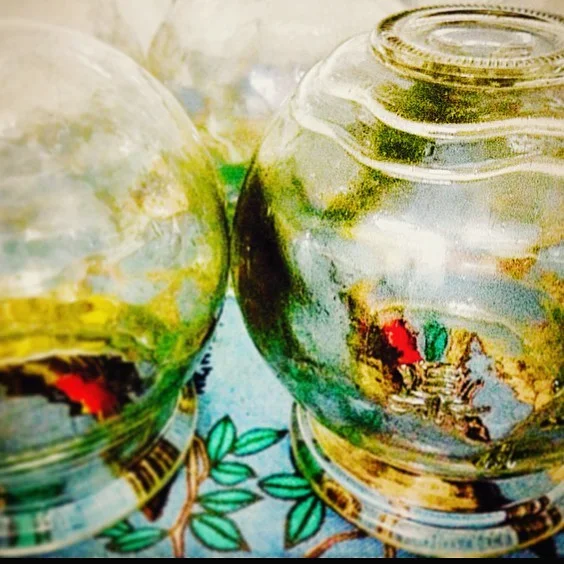
At Coburg Chinese Medicine, I offer several forms of cupping therapy, including traditional Chinese fire cupping, dry cupping, sliding cupping and wet cupping, also known as bleeding cupping or hijama.
I first learnt Chinese cupping techniques around 30 years ago, and I've continued using cupping both personally and, later, in my clinical practice. As a registered Chinese medicine practitioner, I've also studied a wide range of cupping techniques in depth. Cupping can be booked as a standalone treatment or used alongside acupuncture as part of a combined appointment, depending on your circumstances.
Where appropriate, a cupping appointment may also include gua sha.
My clinic is located on Sydney Road in Coburg, in Melbourne's northern suburbs. I see people from Coburg, Brunswick, Pascoe Vale, Preston, Thornbury and across Melbourne who are seeking different forms of cupping.
On this page
Types of cuppingYour appointmentWet cupping/hijamaCupping marksFAQsFees & opening hours
What is cupping therapy?
Cupping is a traditional practice used in Chinese medicine and several other medical and cultural traditions around the world. It involves placing glass or other specially designed cups against the skin and creating suction, which draws the skin slightly upwards into the cup.
Unlike massage, which generally involves applying pressure into the tissues, cupping creates a pulling or lifting sensation. Depending on the technique, the cups may remain in one place or move across the skin.
People often enquire about cupping when experiencing muscular tightness or discomfort, particularly around the neck, shoulders and back. Others have experienced it previously, are familiar with cupping through family or cultural traditions, or are simply interested in learning more about the practice.
Cupping has been studied for pain management, although the quality of evidence varies and its effectiveness for particular conditions remains uncertain. Where symptoms suggest that further medical assessment is appropriate, I'll discuss that with you.
Types of cupping available at Coburg Chinese Medicine
Dry cupping and traditional Chinese fire cupping
Dry cupping involves creating suction against the skin without breaking it. One of the traditional techniques I use is fire cupping, where a flame is briefly introduced into a glass cup to warm the air before the cup is placed against the skin.
The flame is removed before the cup touches the body. As the air inside cools, a pressure difference develops and creates suction.
The number of cups used, the amount of suction and the length of time they remain in place depend on the area being treated and your individual circumstances.
Static, sliding and flash cupping
There are several ways in which cups can be applied.
Static cupping involves leaving the cups in one position for a period of time. Sliding cupping, also known as moving cupping, involves moving a cup across lubricated skin while maintaining suction. This technique is sometimes described as cupping massage or a form of myofascial cupping. This creates a different sensation from stationary cupping and is often used over larger muscle groups.
Flash cupping involves applying and removing cups repeatedly rather than leaving them in place.
These techniques aren't necessarily interchangeable. The approach used will depend on your circumstances, the area being treated and what we discuss during your consultation.
Cupping with a registered Chinese medicine practitioner
Cupping has been an important part of both my professional education and my clinical practice. As a registered Chinese medicine practitioner, my training involves more than learning how to apply cups. It also includes anatomy, patient assessment, consideration of medical history and understanding when a particular procedure may or may not be appropriate.
Being a registered health practitioner also brings professional responsibilities, including requirements relating to infection prevention and control, safe clinical practice and informed consent. These are especially important when performing wet cupping or hijama, where the skin is intentionally broken.
Cupping isn't simply a matter of applying cups and leaving them in place. The technique, degree and duration of suction, condition of the skin, your general health and any possible risks all need to be considered.
What happens during a cupping appointment?
Before beginning treatment, I spend some time discussing what has brought you to the clinic, your medical history and whether you've had cupping before.
If you're attending because of neck, shoulder or back discomfort, for example, we might also discuss your work, posture, physical activity, stress and other factors that may be contributing to how you're feeling. It's useful to consider the wider circumstances rather than simply focusing on the area where you're experiencing discomfort.
An important part of the consultation is making sure you understand what the treatment involves. I'll explain the type of cupping I'm proposing, how it's performed, what you might feel during the procedure and any relevant risks or side effects. We'll also discuss preparation, what you should expect afterwards and any appropriate aftercare.
This is an opportunity to ask questions, raise concerns or let me know if there's something you're uncomfortable with. I want people to have enough information to make their own decisions about treatment rather than feeling they simply need to agree with whatever has been suggested.
Cupping can be booked on its own, although I also frequently use cupping alongside acupuncture as part of a combined treatment. We can discuss whether cupping alone, acupuncture or a combination of the two is appropriate for your circumstances.
Before you leave, I'll explain any relevant aftercare and what you should keep in mind over the following days.
Wet Cupping, Bleeding Cupping and Hijama in Melbourne
Wet cupping, also known as bleeding cupping or hijama, differs from dry cupping because it involves making small superficial openings in the skin, allowing a limited amount of blood to be drawn into the cup through suction.
Hijama has a long history in Islamic and Middle Eastern traditions, and for many Muslims it is practised as part of the Sunnah, following the traditions of the Prophet Muhammad. Forms of bleeding cupping have also been practised in traditional Chinese medicine and other medical traditions.
Over the years, I've worked with members of Melbourne's Muslim community who seek hijama for religious as well as personal reasons. I understand that for some people, the practice has significance beyond the physical treatment itself, and I'm comfortable discussing these considerations as part of the consultation.
An important part of this is respecting people's preferences around modesty, privacy and which areas of the body they feel comfortable exposing. Before treatment, we can discuss which areas are being considered, what access would be required and whether the proposed treatment can be carried out in a way that respects your preferences.
I don't assume that everyone has the same expectations or religious practices. My approach is to discuss these things openly, respect individual boundaries and ensure that you understand and consent to what is being proposed. If particular arrangements aren't possible or a requested treatment isn't clinically appropriate, I'll explain that beforehand.
Safety and infection control for hijama
Because wet cupping involves breaking the skin, additional infection-control precautions are necessary. These include appropriate skin preparation, sterile single-use skin-piercing equipment, safe management of contaminated materials and appropriate disposal of sharps and clinical waste.
Wet cupping also carries additional risks, including bleeding and infection, and may not be appropriate for everyone. As a registered Chinese medicine practitioner, I have professional responsibilities relating to infection prevention, patient assessment and informed consent.
I'll discuss the procedure and relevant precautions with you before proceeding, including any considerations relating to your health, medications or personal preferences.
If you're considering hijama for the first time, or would like to discuss religious or modesty considerations before booking, you're welcome to contact me.
Will cupping leave marks?
Cupping frequently leaves temporary circular red or purple marks where the cups have been applied. These occur because suction affects small blood vessels and tissues close to the skin.
The appearance varies between people and according to the technique, duration and strength of suction. Marks commonly fade over several days, although they can sometimes remain visible for longer.
Some people experience temporary tenderness or skin irritation after treatment. Less commonly, complications such as blistering, burns or infection can occur.
It's worth considering the possibility of visible marks if you have an event coming up, or would prefer not to have marks on exposed areas of your body.
Affordable cupping in Coburg
I believe the cost of treatment is an important consideration for many people, particularly when they're managing ongoing health concerns or already have other medical expenses.
Coburg Chinese Medicine is a small, single-practitioner clinic, which helps me keep overheads lower and offer appointments at relatively affordable fees.
Cupping is available as a standalone appointment, so you don't necessarily need to book a longer acupuncture consultation if cupping is the treatment you're seeking. It can also be included in an acupuncture appointment where appropriate.
Current prices and appointment information are available on my Fees & Opening Hours page.
Cupping in Coburg and Melbourne's northern suburbs
Coburg Chinese Medicine is located at 197 Sydney Road, Coburg, providing cupping, acupuncture and traditional Chinese medicine services to people across Melbourne's northern suburbs.
The clinic is accessible to people living or working in Coburg, Coburg North, Brunswick, Brunswick West, Pascoe Vale, Pascoe Vale South, Preston, Thornbury, Fawkner, Glenroy and surrounding areas.
I aim to provide clear, practical information about the treatments I offer, what they involve and where their limitations lie. You're welcome to ask questions or discuss your circumstances before deciding whether to proceed.
Frequently asked questions about cupping
Is cupping painful?
Cupping generally produces a pulling or tight sensation rather than the pressure associated with massage. Some people find this comfortable, while others find stronger suction uncomfortable. If the sensation becomes too intense, the suction can be adjusted or the cups removed.
What is the difference between dry cupping and wet cupping?
Dry cupping uses suction against intact skin. Wet cupping, also known as bleeding cupping or hijama, involves superficial openings in the skin and the removal of a small amount of blood using suction. Because the skin is broken, wet cupping carries additional risks and requires specific infection-control precautions.
Is fire cupping the same as hijama?
No. Fire cupping describes a method of creating suction using heat, while hijama generally refers to wet cupping. They aren't interchangeable terms.
Can cupping be combined with acupuncture?
Yes. I frequently use cupping alongside acupuncture as part of a combined treatment where appropriate. Cupping can also be booked as a standalone appointment without acupuncture.
How long do cupping marks last?
Many cupping marks fade within several days, although some remain visible for longer. Their appearance and duration vary according to the person and the technique used.
Can I arrange hijama for Sunnah reasons?
Yes. I've worked with Muslim patients who seek hijama as part of their religious practice and understand that modesty, privacy and the areas of the body being treated may be important considerations.
You're welcome to discuss your preferences before booking. We can consider which areas would need to be accessed, what you're comfortable with and whether the proposed treatment is appropriate and practical.
How much does cupping cost in Melbourne?
The cost depends on the type of appointment being booked. At Coburg Chinese Medicine, cupping can be booked on its own or included in an acupuncture consultation where appropriate. Current prices are listed on the Fees & Opening Hours page.
Book a cupping appointment in Coburg
If you're interested in dry cupping, fire cupping or another form of cupping therapy, you can arrange an appointment online. If you're unsure which treatment to book, or have questions about wet cupping or hijama, you're welcome to contact me beforehand.
Coburg Chinese Medicine
197 Sydney Road, Coburg VIC 3058
Phone: (03) 9041 6569